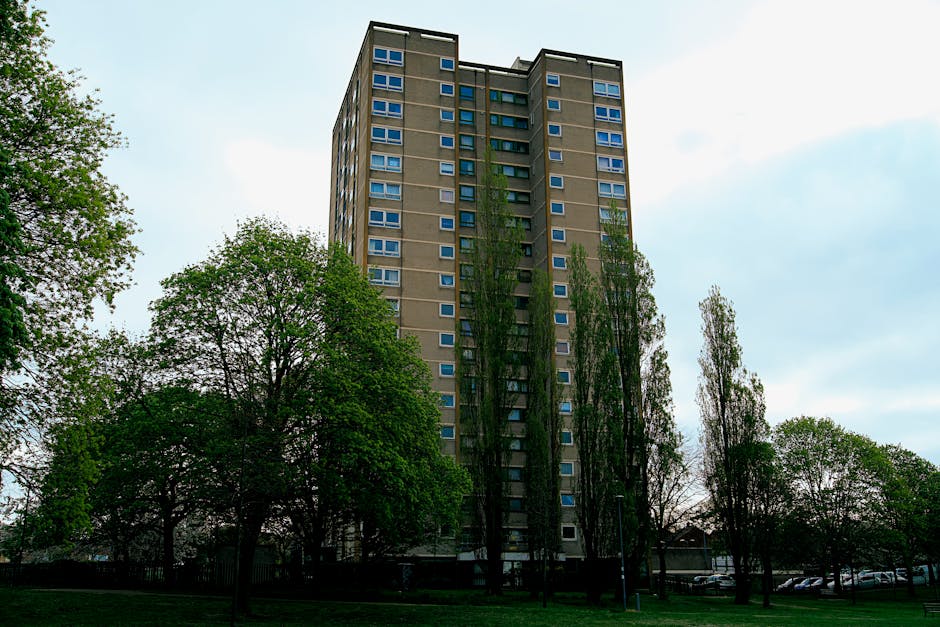
Common access problems for Hornsey flat removals and solutions
Flat moves sound simple on paper. A van arrives, boxes go out, furniture comes down, job done. In real life, especially in Hornsey, the access can be the part that makes or breaks moving day. Narrow stairwells, awkward parking, broken lifts, shared entrances, permit bays, busy roads, low ceilings, and neighbours who really do not want a sofa resting in the hallway - all of it can slow things down fast.
This guide on Common access problems for Hornsey flat removals and solutions looks at the issues people hit most often, why they matter, and what to do before the first box is lifted. If you are moving from or into a flat, whether it is a compact studio, a converted period property, or a top-floor apartment, a little planning goes a long way. Truth be told, access is often the difference between a smooth move and a very long afternoon.
Table of Contents
- Why access problems matter in Hornsey flat removals
- How access planning works on moving day
- Key benefits of sorting access in advance
- Who this is for and when it makes sense
- Step-by-step guidance
- Expert tips for better results
- Common mistakes to avoid
- Tools, resources and recommendations
- Law, compliance, standards and best practice
- Options, methods and comparison table
- Case study or real-world example
- Practical checklist
- Conclusion
- Frequently asked questions
Why Common access problems for Hornsey flat removals and solutions Matters
Access is not just a logistics detail. It affects timing, labour, safety, cost, and the overall stress level of the move. In Hornsey, a lot of flats sit in older buildings, converted terraces, mansion blocks, or newer developments with controlled entry systems. Each one brings its own quirks. You might have a beautiful flat with a lovely view and a staircase that seems to go on forever. Charming for living in, less charming when you are carrying a wardrobe.
When access is poorly planned, the move can stall outside the building while everyone figures out where the van can stop, how to get in, and whether the lift is actually working. That can mean extra time, more lifting, and more risk of damage to walls, bannisters, doorframes, and the items themselves. It can also affect neighbours and building management, which is never ideal if you want a calm move-out.
Good access planning helps you avoid the classic moving-day scramble. It also allows a removal team to choose the right vehicle, bring the right equipment, and set the right number of crew members. If you want a broader overview of move types and support options, it can also help to look at flat removals, man and van, or the wider removal services offered by the business.
Practical takeaway: access is not a small detail. It is one of the main factors that decides how long a flat move takes and how stressful it feels. Handle it early, and you give yourself a far better chance of an orderly day.
How Common access problems for Hornsey flat removals and solutions Works
Most access issues can be spotted before moving day if someone asks the right questions. That is the basic idea. The mover checks the building layout, street access, parking rules, distance from van to front door, floor level, and whether any large items need special handling. Then the plan is adjusted around the real-world conditions, not the ideal ones.
In practice, this usually means a few simple checks. Can the van park close enough? Is there a lift, and if so, how big is it? Are there stairs in the property, the communal area, or both? Are there any timed entry rules, security doors, key fobs, or concierge procedures? Is there a loading bay, a resident-only permit area, or a red route nearby? These details sound minor until you are halfway down a stairwell with a fridge.
The best solutions tend to be straightforward. They may include booking an earlier time slot, using a smaller vehicle, arranging extra crew, disassembling furniture, reserving parking, protecting communal areas with covers, or storing some items temporarily. Sometimes the most sensible answer is not force, but flexibility. Maybe the sofa does not fit safely through the landing, and that is just that. Better to know before you arrive, not after the doorframe has had a bad morning.
Typical access flow on a flat move
- Review building and street access details before confirming the job.
- Measure large furniture and compare it with stair, lift, and doorway widths.
- Decide on the best vehicle and number of movers.
- Plan the loading order so the heaviest items come out efficiently.
- Protect floors, walls, and shared areas before movement begins.
- Adjust on the day if the access conditions are different from what was expected.
Key Benefits and Practical Advantages
Sorting access properly does more than save time. It changes the whole feel of the move. A flat move with a clear access plan tends to be calmer, more predictable, and safer for everyone involved. There is less standing around. Less back-and-forth. Fewer "hang on, let me just check something" moments.
Here are the main advantages:
- Reduced damage risk: furniture is less likely to be scraped, dropped, or forced through tight gaps.
- Better time control: the team can work to a sensible schedule instead of reacting to surprises.
- Lower physical strain: fewer awkward carries mean less fatigue and fewer missed steps.
- Better neighbour relations: quieter, quicker movements through shared areas keep complaints down.
- More accurate quotes: when access is clear, pricing is usually easier to estimate honestly.
- Less emotional stress: and let's face it, moving is already a lot without adding chaos at the front door.
There is also a planning benefit for people using supporting services. If you are pairing a flat move with packing and boxes or packing and unpacking services, access details help the crew decide what should be packed first and what needs a safer route out.
Who This Is For and When It Makes Sense
This topic matters to almost anyone moving a flat in Hornsey, but it is especially useful for a few groups. If you live in a top-floor flat, a converted house, or a building with limited parking, you will probably benefit most. The same applies if you have bulky furniture, heavy electronics, a bike, a piano, or awkward items that do not fold up neatly.
It also matters if you are moving under time pressure. Student tenants, renters on fixed handover dates, people relocating after a sale, and anyone doing a same-week move all need access to be predictable. A small delay can create a domino effect. Lift out of order? Van parked two streets away? Suddenly the timetable is gone.
If you are not sure what kind of move you need, it can help to compare options such as student removals, home moves, or even same-day removals where speed and access both become especially important. People moving out of shared flats also tend to underestimate how many small trips are needed when access is awkward. A few extra boxes here, one chair there, then another run for the kettle. You know how it goes.
Best fit: this guidance is for anyone who wants fewer surprises, clearer costs, and a move that feels controlled rather than improvised.
Step-by-Step Guidance
When access is the issue, a methodical approach works best. Nothing fancy. Just a clear sequence.
1. Check the building layout
Start with the obvious: floor level, stair count, lift size, doorway width, and corridor turns. If your flat has a tight internal bend or a narrow communal stairwell, measure it. Don't guess. A sofa that "looked fine" in the living room can suddenly become a completely different beast at the top of a landing.
2. Check the street outside
Next, look at the road. Can a van stop nearby without blocking traffic? Is there permit parking, double yellow lines, or a loading restriction? Even if the road looks quiet at 8am, that may not be true by 10am. Hornsey streets can change character quickly once school runs and deliveries start.
3. List large or awkward items
Make a simple inventory of anything heavy, wide, tall, fragile, or oddly shaped. Wardrobes, mattresses, mirrors, wardrobes again - yes, wardrobes deserve a second mention. Note whether items can be dismantled, wrapped, or carried in sections.
4. Share access details early
Give your mover a complete picture before moving day. Mention intercoms, coded doors, concierge desks, restricted hours, lift bookings, and anything else that affects timing. This is the bit many people leave until the last minute. Then everyone starts making calls at the kerbside. Not fun.
5. Match the vehicle to the job
A smaller vehicle can be easier on narrow streets. A larger van or truck may be more efficient if parking is straightforward and the load is substantial. If you are unsure, compare removal van options with moving truck capacity and access requirements. Bigger is not always better. More sensible is better.
6. Prepare the route inside the building
Move loose items from hallways, secure pets, clear trip hazards, and protect corners. If the communal areas are tight, ask about covers or protective materials. A few minutes of prep can save a lot of awkward apologising later.
7. Build a backup plan
If the lift fails, the parking space is blocked, or a large item will not pass safely, decide in advance what happens next. Can the item be taken apart? Can it be moved at a different time? Can it go into temporary storage? This is where good movers stay calm and flexible, rather than forcing a bad decision.
Expert Tips for Better Results
In our experience, the smoothest flat removals are rarely the ones with the fanciest equipment. They are the ones where the details were checked properly and someone asked the awkward questions early.
- Measure twice, move once. Doorways, stairs, lift doors, and furniture dimensions all matter.
- Use photos. A few clear pictures of staircases, parking, and entrances can explain more than a long message.
- Book access time, not just move time. If the lift needs reserving or the concierge has a check-in process, build that in.
- Break down large items before moving day. Flat-pack furniture and removable bed frames are easier to handle when already prepared.
- Keep essentials separate. Keys, phone chargers, documents, kettle stuff - the small things become very important very quickly.
- Use the right support service. If access is especially tight, a smaller crew with a flexible vehicle may be better than a larger setup that cannot park close enough.
One small but useful trick: if you know a wardrobe is borderline for the staircase, decide in advance whether it will be dismantled or replaced. That one decision can save an hour of stress and a sore back. Simple, but effective.
It is also worth checking the company's general standards around health and safety policy and insurance and safety. Those pages help you understand how a professional operator approaches risk, handling, and customer protection. No drama, just sensible due diligence.
Common Mistakes to Avoid
The same access problems come up again and again, which means the mistakes are fairly predictable too. The good news? They are usually avoidable.
- Assuming the lift will be available all day. In many buildings, it is shared, booked, or occasionally out of service.
- Ignoring street parking rules. A van can be technically nearby but still not legally positioned for loading.
- Forgetting about internal turns. A sofa may fit through the door but fail at the bend in the stairwell.
- Leaving bulky items assembled. Beds, tables, and wardrobes often become much easier once partially dismantled.
- Not warning neighbours or management. A little notice can reduce complaints and avoid awkward conversations.
- Booking too little time. Access issues are rarely solved by optimism alone.
There is a quieter mistake too: not speaking up when you are unsure. If you are looking at a staircase and thinking, "Hmm, that seems tight," it probably is. Say so. Ask the mover to review it with you. Better a five-minute discussion than a bent radiator cover and everyone pretending it was fine.
Tools, Resources and Recommendations
You do not need a mountain of kit to handle access issues, but a few practical tools make life much easier.
- Measuring tape: basic, useful, and worth its weight in gold when checking furniture and door widths.
- Phone camera: take pictures of the entrance, parking space, staircases, and any tricky corners.
- Sticky notes or labels: helpful for marking items that need special handling or early unloading.
- Furniture covers and blankets: important for protecting items and communal areas.
- Basic toolkit: especially for taking apart beds, shelves, and table legs.
- Boxes of sensible size: large boxes can be fine, but too many overfilled boxes make stairs harder and slower.
If you want a more complete moving setup, the site also offers related services such as packing and unpacking services, furniture removals, and furniture pick up. These can be helpful if access is difficult and you want items handled in a more controlled sequence.
For planning and budgeting, the page on pricing and quotes is useful because access conditions often shape the final estimate. A transparent quote should reflect the realities of the property, not just the postcode.
Law, Compliance, Standards, or Best Practice
For flat removals in Hornsey, the main compliance concerns are practical rather than dramatic. You are usually dealing with parking rules, property access rules, building management expectations, manual handling safety, and insurance cover. None of that is glamorous, but all of it matters.
If the van needs to stop in a controlled parking bay or on a restricted street, the move should be planned around the local parking conditions. If the building has fire exits, protected communal areas, or concierge procedures, those need to be respected. That is standard best practice, and it also keeps everyone on the right side of the building rules.
Manual handling matters too. Heavy lifting through stairwells is one of the quickest ways to turn a simple move into a risky one. Professional movers usually reduce that risk with planning, proper lifting technique, team coordination, and suitable equipment. If you are comparing providers, a careful read of their terms and conditions can also help you understand responsibilities, limitations, and what happens if access differs from what was expected.
For anyone moving personal data or valuable items, simple privacy and security awareness matters too. Keep documents and high-value belongings separate, and do not leave keys or access cards lying around in communal areas. It sounds obvious, but on moving day obvious things vanish fast.
Options, Methods, or Comparison Table
Different access problems call for different solutions. Here is a simple comparison that can help you think through the best approach.
| Access issue | Best approach | Why it works |
|---|---|---|
| Very narrow stairwell | Dismantle large furniture and use smaller carries | Reduces the chance of damage and improves control |
| No lift or broken lift | Allow extra labour and more time | Keeps the move safe and realistic |
| Parking too far from entrance | Use a smaller van or seek closer loading access | Shortens the carry distance and lowers strain |
| Restricted building entry | Pre-book access times and notify building management | Prevents delays at the door |
| Bulky furniture with awkward angles | Disassemble, wrap, and plan the route carefully | Limits impact on walls, corners, and furniture joints |
| Uncertain same-day access | Keep a backup plan or temporary storage ready | Gives you options if something changes suddenly |
If you are choosing between a simpler move setup and a more managed one, it is worth thinking about the building first, not the vehicle. People often do the opposite. They book the van and hope the access sorts itself out. Usually, it does not. The staircase never gets wider because we wish it to.
Case Study or Real-World Example
A recent Hornsey flat move gives a good picture of how access planning changes the outcome. The property was on an upper floor in a converted building with a narrow shared staircase, a small landing, and no practical parking directly outside. At first glance, it looked manageable enough. Then the sofa was measured, and the picture changed.
The team reviewed the access before moving day and spotted three issues: the lift was too small for one large piece, the van could not park right at the door, and a wardrobe needed partial dismantling. So the plan was adjusted. The crew brought the right tools, arranged extra protection for the communal hall, and loaded the bulky items first while the smaller boxes were stacked for faster movement.
The result was not flashy, just efficient. The move stayed on schedule, there was no damage to the paintwork, and the client avoided the classic panic of trying to force an item through a gap that was clearly too tight. Small victory, really, but that is what a good flat move looks like. Not exciting. Just calm.
That sort of outcome is much more likely when you pair access planning with the right service mix, whether that means man with a van, a larger removal truck hire, or a more complete move through removals. The best choice depends on the building, not the brochure.
Practical Checklist
Use this checklist before moving day. It keeps the access side simple and reduces last-minute surprises.
- Measure large furniture and key doorways.
- Check stair widths, turns, and landing space.
- Confirm whether the lift works and whether it can be booked.
- Review parking rules and loading restrictions near the building.
- Tell the mover about intercoms, coded doors, or concierge procedures.
- Ask whether large items need dismantling in advance.
- Protect floors, bannisters, and hallway corners.
- Keep a backup plan for blocked parking or lift failure.
- Set aside essentials you will want immediately after arrival.
- Confirm timing with the building manager or landlord if required.
Quick reminder: if access feels borderline, treat it as borderline. That mindset saves stress later.
Conclusion
Common access problems for Hornsey flat removals and solutions are all about turning uncertainty into a workable plan. Most difficulties are not disasters; they are just details that were not checked early enough. Narrow stairs, tight entrances, parking pressure, lift issues, and awkward furniture can all be handled if you know what to look for and prepare properly.
The real win is peace of mind. When access is thought through, the move feels more controlled, the team works faster, and the day has far less friction. That matters whether you are moving out of a first flat, shifting across Hornsey, or trying to make a tight deadline without losing your nerve. Moving is never a complete joy, but it does not have to be a mess.
If you are planning a flat move and want support that takes access seriously, it makes sense to review the company's service details, safety standards, and quoting approach before you book. A little care now saves a lot of bother later.
Get a free quote today and see how much you can save.
And if you only remember one thing, make it this: measure first, panic later never.
Frequently Asked Questions
What are the most common access problems for flat removals in Hornsey?
The most common issues are narrow staircases, small or unreliable lifts, limited parking, tight hallways, awkward door angles, and restricted building entry. Period conversions and older blocks can be especially tricky because the layout was never designed for modern furniture sizes.
How do I know if my sofa or wardrobe will fit through the flat entrance?
Measure the item at its widest points, then measure the narrowest points of the route: front door, hallway bends, stairs, and landing. If the item is close to the limit, ask for a second opinion before moving day. A few centimetres can make a real difference.
Should I tell the removal team about access issues before booking?
Yes. Early notice helps them choose the right vehicle, enough crew, and the right handling method. If you wait until the day, the whole job can become slower and more expensive to manage.
What should I do if there is no parking near my flat?
Check whether there is a loading bay, permit space, or temporary stopping option. If not, plan for a longer carry and let the mover know in advance. In some cases, a smaller vehicle or staggered loading plan is the most practical answer.
Can a lift solve most access problems?
Not always. A lift helps, but it may be too small for furniture, booked by other residents, or out of service on the day. It is best to treat the lift as helpful, not guaranteed.
Is it better to dismantle furniture before a flat move?
Usually, yes for large items. Beds, wardrobes, tables, and shelving often move more safely when partially taken apart. It can save time, reduce damage, and make awkward turns easier.
How can I make communal areas safer during the move?
Clear the route, protect corners and floors where needed, keep the hallway free from loose items, and avoid blocking exits. Let neighbours or building management know if the move will involve heavier traffic through shared spaces.
What if access is worse on the day than expected?
Stay flexible and work through the backup plan. That might mean a different loading order, dismantling an item, using an alternative entrance, or placing some items into storage temporarily. Calm adjustments are usually better than forcing a bad fit.
Do access issues affect the price of a flat removal?
They can. Longer carries, extra labour, waiting time, or special handling can all affect the quote. Clear access information helps create a more accurate estimate from the start.
Are Hornsey flat moves harder than house moves?
Sometimes yes, sometimes no. Flats often involve more shared spaces, stairs, lifts, and parking restrictions, which can add complexity. Houses may have their own challenges, but flat access is often the part that needs the most planning.
What kind of moving service is best for a difficult-access flat?
It depends on the size of the load and the building layout. A man and van setup can work well for smaller or more flexible moves, while larger jobs may suit broader removal services. The best choice is the one that matches the access conditions rather than fighting them.
Where can I check if a moving company is transparent about safety and payment?
Look at the company's payment and security, insurance and safety, and complaints procedure pages. Those pages can tell you a lot about how carefully they operate and how seriously they treat customer concerns.
What is the single best thing I can do to avoid access issues?
Measure the route and share those details early. It sounds basic, but it is the strongest way to prevent surprises. A measured, well-communicated move is almost always easier than a rushed one.