Haringey Council permits for Hornsey parking and removals: a practical guide for moving day
If you are moving in Hornsey, parking can become the part of the day that steals the most time and patience. One missed space, one awkward bay, or one confused neighbour and suddenly the whole schedule starts to wobble. That is where Haringey Council permits for Hornsey parking and removals come in. Used well, they help you protect access for the van, keep things legal on the street, and reduce the chance of last-minute stress.
This guide explains how the process usually works, why it matters, who should think about it, and how to avoid the small mistakes that turn a straightforward move into a messy one. It is written for real people doing real moves, not for parking wonks in a meeting room. Truth be told, if you are already juggling boxes, keys, children, pets, or a lift booking in a flat, the last thing you want is to be circling the block hoping for luck.
Along the way, we will also look at practical removal planning, when a man and van service may be enough, when a larger vehicle makes more sense, and how support like home moves, flat removals, or removal services can help you keep the day organised. Small details matter here. Very small details, sometimes.
Contents
- Why Haringey Council permits for Hornsey parking and removals matters
- How Haringey Council permits for Hornsey parking and removals works
- Key benefits and practical advantages
- Who this is for and when it makes sense
- Step-by-step guidance
- Expert tips for better results
- Common mistakes to avoid
- Tools, resources and recommendations
- Law, compliance, standards, or best practice
- Options, methods, or comparison table
- Case study or real-world example
- Practical checklist
- Conclusion
- Frequently asked questions
Why Haringey Council permits for Hornsey parking and removals Matters
Hornsey is one of those London areas where parking can feel tight even on a good day. Streets vary a lot: some have resident bays, some have timed restrictions, some are busy with school runs and deliveries, and some just seem to have one van too many parked at any given moment. For a household move, that creates a simple problem with a surprisingly big impact: if your removal vehicle cannot stop close to the property, every box, chair, and wardrobe has further to travel.
That extra distance is not just annoying. It can affect the whole move. The crew may need more time, more lifting, more back-and-forth walking, and more coordination. A permit or parking arrangement can reduce those bottlenecks and help the vehicle stay where it is needed. If you are using a service like removals or house removals, good parking planning is part of the job, not an afterthought.
There is also the legal side. You do not want a removal van blocking a resident bay, sitting in a loading spot longer than allowed, or ending up with a penalty because nobody checked the restrictions. Council enforcement does not usually care that you are moving house. Harsh, but there it is. Good planning protects you from that kind of headache.
For many moves, the permit question also ties into neighbour relations. If a large van is stationed directly outside for a few hours, letting the immediate area know in advance can avoid grumbles. It is a small courtesy, but a useful one.
Expert summary: In Hornsey, parking arrangements are often just as important as the packing plan. If the vehicle can park close, the move is usually quicker, calmer, and less physically punishing. If it cannot, the whole day can drag.
How Haringey Council permits for Hornsey parking and removals Works
The exact process depends on the street, the type of parking control in place, and what sort of access your move needs. In practical terms, there are usually a few possibilities: a permit for a vehicle to park in a restricted area, a bay suspension or temporary space reservation, or a more general arrangement that allows loading and unloading for a limited time. The right option depends on the property and the local restrictions around it.
Think of it like this. If your move is from a terraced house on a narrow road with permit bays, you may need some way to reserve space close to the front door. If you are moving from a flat above shops, you may need short-stay loading access and careful timing. If your building has a private forecourt or service entrance, the council permit may be less central, but parking still needs checking. A lot of people only realise this at the last minute, usually while standing in the hallway holding a lamp.
When you book a move, it helps to ask the removal provider what type of vehicle they will send. A small removal van may fit into tighter streets better than a larger truck, while a bigger job may need moving truck support. That choice affects the parking plan. The bigger the vehicle, the more important access becomes.
Good movers usually look at the route as well as the destination. For example, if one street has a restriction that only allows a few minutes of stopping and another road nearby is open but far from the property, you may need to balance convenience against compliance. That is where experience matters. A crew that regularly handles local moves will often know how to work around Hornsey's trickier streets without making the day feel chaotic.
If you need extra flexibility, some people combine permit planning with support such as same day removals or man with a van services. That can be useful for smaller, faster moves where the parking window is tight and the job has to be handled efficiently. Not every move needs the same level of formality, and that is perfectly normal.
Key Benefits and Practical Advantages
Handled properly, parking permits and temporary access arrangements do more than prevent fines. They shape the whole moving experience.
- Less time wasted: The vehicle can get closer to the property, so loading and unloading is faster.
- Lower physical strain: Fewer long carries mean less fatigue, fewer awkward turns, and a lower chance of bumping items on doorframes or kerbs.
- Better schedule control: The removal team can work to a clearer timeline instead of waiting for a space to open up.
- Reduced disruption: Neighbours, pedestrians, and traffic are less likely to be inconvenienced if the plan is tidy and lawful.
- Less stress for you: You are not scrambling for parking while the rest of the move is happening upstairs.
There is a quieter benefit too. Permits often force better planning. Once you have thought through the vehicle, the access point, the lifting route, and the time window, the rest of the move tends to feel more manageable. It is almost boring in a good way.
That matters if you are dealing with family life, work calls, or a move across town where the day already feels overfull. A well-organised move is not flashy. It just gets done without drama. And honestly, that is the dream.
Who This Is For and When It Makes Sense
Not every move in Hornsey needs council-related parking planning, but many do. The question is not whether you are moving. It is whether the location and vehicle create a parking issue.
This is especially relevant if you are:
- moving from or to a house on a narrow residential street
- moving from a flat where roadside access is the only realistic option
- using a larger van or lorry that needs more roadside space
- moving on a busy day when parking is already limited
- coordinating a commercial job that needs an efficient loading point
- moving bulky items such as sofas, wardrobes, or a piano
It is also worth thinking about whether you need short-term storage or staged moving. For example, if completion dates do not line up, a move can become two steps rather than one. In that case, services such as storage can help reduce pressure on the day itself.
Students and renters often underestimate parking needs because they assume the move is "small." Sometimes it is; sometimes it is six boxes, a desk, a mattress, a bike, and a surprising amount of stuff from under the bed. If that sounds familiar, student removals or a compact vehicle can make the logistics much easier.
Step-by-Step Guidance
If you want a straightforward way to tackle parking and access for your Hornsey move, use this process.
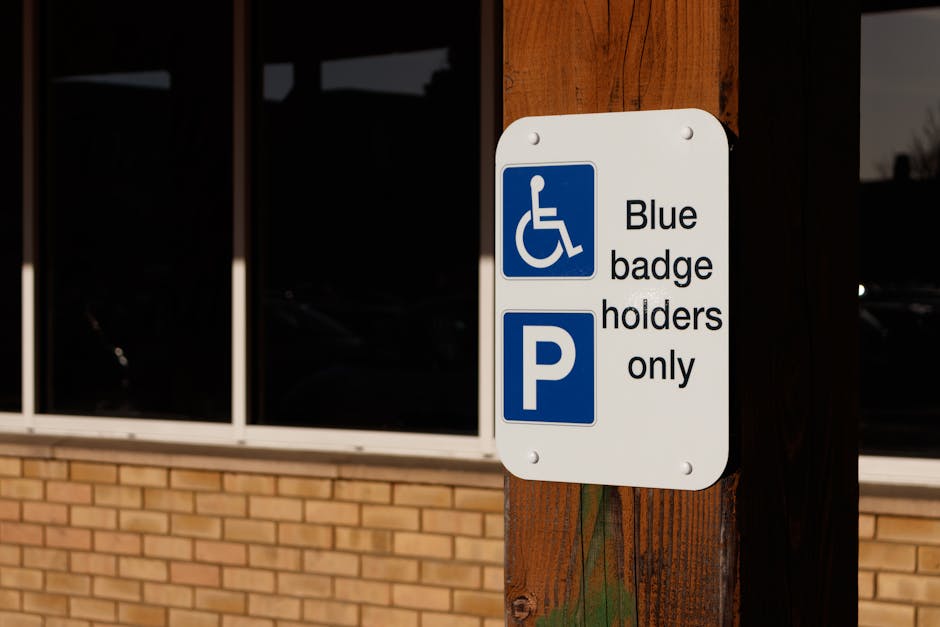
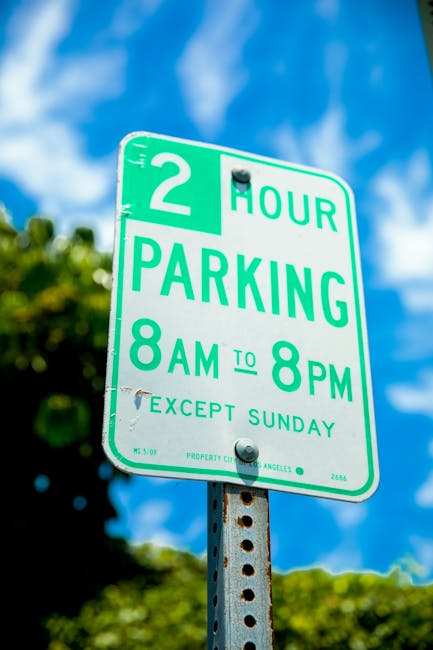
- Check the street conditions early. Look at the outside of both properties. Note bay markings, loading rules, waiting restrictions, and any time-limited signs. If the street is already tight, assume access will be an issue until proven otherwise.
- Confirm the move size. Work out whether you need a van, a larger truck, or a team that can handle a multi-item move. A service like man with a van is not available here, so keep to the approved options and choose carefully based on the actual job.
- Ask what parking support is needed. A removal company or van operator should tell you whether they need reserved space, short-term loading access, or just a lawful stopping point.
- Speak to the relevant council channel. If a permit, bay suspension, or temporary parking arrangement is required, start that process in good time. This part often takes longer than people expect, especially around busy moving periods.
- Coordinate timings. Match the permit window, the building access time, lift booking, and arrival slot. A beautiful plan on paper is useless if the lift is booked for an hour after the van arrives.
- Communicate clearly. Tell the movers where to park, what the access route is, and whether there are any awkward steps, gates, or door codes.
- Prepare the load route. Keep hallways clear, protect floors if needed, and make sure the van can reach the nearest sensible point.
There is a simple rule here: the earlier the access issue is discussed, the less expensive and chaotic it tends to become. That is especially true for flat removals, where stairwells, lifts, and roadside access all interact at once.
Expert Tips for Better Results
Over time, a few habits make Hornsey moves much smoother. None of them are dramatic, but they save real time.
- Choose the right vehicle size. Bigger is not always better. On some Hornsey streets, a smaller van is easier to park and faster overall.
- Build in a buffer. Even 20 to 30 minutes of slack can absorb a parking delay or a neighbour's car being moved late.
- Label fragile or awkward items clearly. If the van is parked a little further away than planned, you want the crew handling each item efficiently on the first trip.
- Reserve the easiest path, not the closest dream spot. Sometimes the space directly outside is too restrictive or blocked by real life. A legal, practical nearby space can be better.
- Coordinate with the building manager if needed. Flats, managed blocks, and commercial properties often have their own access rules alongside the council's parking rules.
If you are moving a house full of furniture, it may be worth pairing the parking plan with support from furniture removals or even piano removals if there is something unusually heavy or delicate. The more awkward the item, the more value there is in proper access.
And one more thing: take a photo of the parking area before moving day if there is any doubt. Not glamorous, I know. But it helps.
Common Mistakes to Avoid
Most parking problems during removals come from a handful of predictable mistakes. The good news? They are easy to avoid once you know them.
- Leaving the permit discussion too late. This is the big one. Many issues are avoidable if you check access as soon as the move date is fixed.
- Assuming a van can "just stop there." It might be fine for 30 seconds. It might also be the exact spot enforcement watches. Worth checking.
- Forgetting loading times and restrictions. A street that looks open can still have rules that apply at the wrong time.
- Booking a vehicle that is too large for the street. Larger vehicles are useful, but only when the access genuinely supports them.
- Not telling the mover about obstacles. Steps, narrow gates, parking distance, height restrictions, and awkward corners all matter.
- Ignoring the return trip. If you need a second load, the space has to work again later, not just once.
A small but common one: people prepare the contents perfectly and forget the street outside. Then everyone stands in the rain moving boxes from the front door to a van parked two roads away. It happens. More than you think.
Tools, Resources and Recommendations
You do not need a big technical toolkit for this. Just a few simple things make the planning much easier.
- Notes app or moving checklist: Keep the permit deadline, vehicle size, and access notes in one place.
- Photos of the road and entrance: Useful for explaining the situation to a mover or noting existing restrictions.
- Floor plan or rough room list: Helps estimate load size and vehicle choice.
- Communication with neighbours or building staff: A quick heads-up can stop avoidable friction.
- Pricing information: If you are comparing services, look at pricing and quotes so you understand how access and vehicle choice may affect the final figure.
It can also help to review a provider's approach to trust and handling standards. Pages like insurance and safety, health and safety policy, and recycling and sustainability can give you a better sense of how carefully a business works. That does not replace common sense, but it does build confidence.
For payment-related reassurance, it is sensible to check payment and security and the terms and conditions. A move is stressful enough without payment surprises turning up late in the day.
Law, Compliance, Standards, or Best Practice
Parking for removals sits in a practical space between local rules, street signage, and common-sense planning. You do not need to become a traffic-law expert, but you do need to respect the restrictions that apply where you are stopping.
The safest approach is simple: treat all signs and bay markings as live until you have confirmed otherwise. If a road is controlled, assume stopping is not automatically allowed just because the vehicle is a removal van. Loading may be permitted in some circumstances, but that depends on the specific restrictions, duration, and location. When in doubt, check before relying on it.
Best practice in the removals industry usually includes:
- planning parking and access before the move date
- using the right vehicle for the street and load
- keeping loading areas clear and safe
- protecting people, property, and the public during the move
- being honest about access limitations rather than hoping they disappear
That last point matters more than people think. If you tell a mover there is "loads of space" and there is actually room for half a car and a prayer, everybody loses time. Better to be precise. Say the street is narrow, mention the bay restrictions, describe the steps, and note whether there is a lift. Small honesty, big payoff.
Options, Methods, or Comparison Table
There is more than one way to handle parking for a Hornsey move. The best choice depends on the street, the size of the load, and how much time you have.
| Option | Best for | Pros | Trade-offs |
|---|---|---|---|
| Permit or bay suspension | Busy streets with controlled parking | Closest access, less carrying, more control | Needs advance planning and may involve admin |
| Short-term loading only | Quick moves with limited load | Fast and flexible where allowed | Time pressure can be tight |
| Smaller van and nearby legal space | Narrow roads or lighter loads | Easier manoeuvring, often simpler parking | May require more trips |
| Larger vehicle with managed access | Full-house or commercial moves | Efficient for big loads | Needs strong access planning |
There is no universally "best" option. If the move is just a few boxes and a mattress, a compact setup may be ideal. If you are relocating an office, office removals or commercial moves may need a more structured plan, possibly with a larger vehicle and tighter scheduling. For bigger jobs, the method should follow the load, not the other way around.
Case Study or Real-World Example
A fairly typical Hornsey move might look like this. A couple are moving from a second-floor flat on a street with limited parking. They have a sofa, a bed, dining chairs, several boxes, and a few fragile items wrapped in blankets. At first, they assume the van can simply park outside and everything will be carried down in one go. Then they check the road and realise the nearest unrestricted space is a fair walk away. Not ideal.
Rather than leaving it to chance, they arrange access planning in advance, keep the lift booking tight, and choose a vehicle that suits the street rather than the biggest one available. They also prepare the boxes the night before, label the awkward items, and clear the hallway. On the day, the van arrives, parks where it can legally stop, and the team gets straight to work. The move still takes effort, obviously. Moving always does. But the difference is that nobody is standing around wondering where to leave the vehicle, and the job feels controlled instead of improvised.
That is the real point of Haringey Council permits for Hornsey parking and removals: not perfection, just fewer avoidable problems. You can almost hear the relief in the room when the first load goes out without drama.
Practical Checklist
Use this quick checklist before moving day. It keeps things grounded.
- Confirm the moving date and time window
- Check the street restrictions outside both properties
- Decide whether a permit, suspension, or loading arrangement is needed
- Choose the right vehicle size for the route and the load
- Book services early, especially for busy dates
- Tell the movers about steps, lifts, gates, or access codes
- Clear hallways, entrances, and loading paths
- Label fragile or heavy items clearly
- Keep phone numbers for the mover and building contact to hand
- Review any relevant service information, including about us, complaints procedure, and contact us if you need a direct conversation before booking
If you are the sort of person who likes to write a list on the back of an envelope and still somehow forget the tape, you are not alone. Put the list in your phone as well. Honestly, that helps.
Get a free quote today and see how much you can save.
Conclusion
Haringey Council permits for Hornsey parking and removals are less about paperwork for its own sake and more about making a stressful day behave itself. When the vehicle can stop legally and close to the property, everything becomes easier: fewer trips, fewer delays, fewer grumbles, fewer chances for the whole day to drift off course.
The main lesson is simple. Start early, check the street properly, choose the right vehicle, and do not leave parking to luck. Whether you are moving a compact flat, a family house, or a business premise, the access plan can be the difference between a move that feels manageable and one that feels like a weathered bit of chaos.
And in a place like Hornsey, where one street can feel very different from the next, that little bit of planning goes a long way. One careful step at a time. That is usually how the smooth moves happen.
Frequently Asked Questions
Do I need a permit for removals in Hornsey?
Not always, but you should check the parking restrictions on your street before moving day. If the road has controlled parking, loading limits, or limited stopping space, some kind of permit or access arrangement may be needed.
How far in advance should I sort out parking for a move?
As early as possible once the moving date is fixed. Parking and access should be part of the first planning conversation, not the last. Leaving it late can limit your options and create unnecessary stress.
What happens if the removal van cannot park outside?
The move may still go ahead, but it can take longer and involve more carrying. That usually increases effort and may make the day less efficient. In some cases, it can also create parking or enforcement issues if the vehicle is stopped in the wrong place.
Is a smaller van better for Hornsey streets?
Often, yes, especially on narrow residential roads or where parking is tight. A smaller vehicle can be easier to position legally and may reduce the need for complicated access planning. Bigger jobs may still need a larger vehicle, though.
Can I just use loading space instead of a permit?
Sometimes loading space is enough for a short, lawful stop, but that depends on the specific restrictions on the road. You should not assume loading is allowed without checking the signs and time limits first.
Do flats usually need more parking planning than houses?
They often do, because flats may involve lifts, shared entrances, tighter access, and more dependence on roadside parking. That said, some houses on narrow streets can be just as tricky. The street matters as much as the property type.
What if my move is very small?
If the load is light, you may not need a complex setup. A man and van style move can be enough, but you should still check the parking rules if the vehicle needs to stop on a controlled street.
How do I know whether I need storage as well?
If your move-out and move-in dates do not line up, or if you need to split the move into stages, storage can be helpful. It is also useful when bulky items need to be kept somewhere safe for a short period.
Are parking permits the same as insurance?
No. A parking permit or access arrangement is about where the vehicle can stop. Insurance is about protection if something goes wrong during the move. They solve different problems, and both matter.
What should I tell the removal team before moving day?
Tell them about the parking restrictions, vehicle access, steps, lift access, gates, narrow entrances, and any time limits. The more accurate the information, the better the crew can plan the day.
Can a commercial move in Hornsey need different parking planning?
Yes. Commercial moves often involve more equipment, stricter timing, and bigger vehicles. A business relocation may need more careful access planning than a standard home move, especially if loading has to happen around trading hours or building rules.
What is the best first step if I am unsure?
Check the street outside the property and speak to the mover early. If the parking looks tight, treat that as a planning issue, not a hope-and-pray situation. It is much easier to solve before the van arrives.